Search This Blog

Thursday, May 29, 2014

CAN I GET HELP WITHOUT TAKING MEDICINES?

Yes. Psychotherapy is a valid alternative to medications, and has some advantages. First, you do not experience the physical side effects that may occur with medication. Second, you can develop skills and acquire tools that will help you whenever anxiety emerges. Finally, and most importantly, a successful course of psychotherapy can produce lasting change which is not dependent on the use of a chemical.
Relying on psychotherapy to alleviate anxiety does require a commitment of time and energy. Your motivation to get better is a key factor in the effectiveness of your therapy. Psychotherapy often does induce temporary distress, as it involves facing the sources of your anxiety. The difference is that you are taking charge of the anxiety rather than the other way around.

If you are considering therapy, remember that a variety of therapeutic approaches exists. These are described in more detail in the next question. Further, many therapists practice eclectically, meaning that they use elements from several approaches that they have found to be effective with their patients. Doing some preliminary investigation to find out the approach and therapist with whom you feel most comfortable working is a good idea. Further, the “fit” between the two of you is very important no matter what technique is used.
Source: The Anxiety Answer Book by: Laurie A. Helgoe, PhD, Laura R. Wilhelm, PhD, Martin J. Kommor, MD

Sunday, May 25, 2014

IS STRESS THE SAME THING AS ANXIETY?

These two words are often used interchangeably. Stress implies external pressure, whereas anxiety describes an internal experience. Nevertheless, we commonly say we “have stress” or are “stressed,” thus implying an internal experience as well. Perhaps the difference is that anxiety often feels unreasonable—to the sufferer as well as to others. A person may feel anxious without knowing why, or in response to a concern he knows is not significant. Stress, on the other hand, may be perceived as more reasonable, and viewed as a direct response to challenging life circumstances. Some people might say that stress is more “normal” or natural and define anxiety as more atypical or harmful.

Regardless of the word used, stress and anxiety usually involve similar physical sensations. These include muscle tension, stomach discomfort, headache, heart pounding, and a general sense of foreboding, to name a few. In response to work deadlines, relationship conflicts, or money problems, we might notice ourselves feeling easily frustrated and impatient. Worry may interfere with sleeping, and we might be more irritable. These uncomfortable feelings may improve with learning better ways to cope with stressors. Otherwise, a person may be at risk for developing stress-related illnesses, such as irritable bowel syndrome and chronic tension headaches.
Source: The Anxiety Answer Book by: Laurie A. Helgoe, PhD, Laura R. Wilhelm, PhD, Martin J. Kommor, MD

Wednesday, May 21, 2014

CAN ANXIETY MAKE A PERSON MORE LIKELY TO COMMIT SUICIDE?

Whereas fleeting thoughts of suicide are not uncommon, frequent, determined thoughts about ending one's life are a serious concern and need attention. Studies reveal that people with anxiety disorders often suffer from depression as well, and a sense of hopelessness associated with depression is the most likely reason someone contemplates taking his life. People who believe their circumstances will never improve are more likely to kill themselves than those who have some inkling of hope. And, hopelessness by definition is not based on clear, accurate thinking. Hopelessness assumes that a person knows for certain what the future holds—this is not possible.
Each year in the United States, about 10 people per 100,000 will kill themselves. If someone has the diagnosis of major depressive disorder, the likelihood of committing suicide goes up to about 400 out of 100,000. This is obviously much higher than the general population. About 20% of people with either panic disorder or social phobia unsuccessfully attempt to take their lives. If they are also depressed, they are more likely to go through with suicide.
Other risk factors associated with a completed suicide include:
Being male
Age—the older, the higher the risk
Lack of a life partner
Chronic illness
Alcohol abuse
Having a suicide plan
Having access to a means to carry out the suicide
Lacking a reason not to follow through
Previous attempts and rehearsals

If you are having recurring thoughts of suicide, contact a mental health professional for help. If you feel in immediate danger of hurting yourself, call 911. Professionals and family members should realize that people who say they are suicidal are more likely to attempt it. Access to means, such as guns or pills, should be eliminated. The suicidal person may need to be in a safe place like a psychiatric hospital. If that is not possible, she should have someone around her during the risk period. The good news is that depression is very treatable through medications and/or psychotherapy. If the illness is treated and the suicidal person can see some hope, most suicidal impulses pass.
Source: The Anxiety Answer Book by: Laurie A. Helgoe, PhD, Laura R. Wilhelm, PhD, Martin J. Kommor, MD

Monday, May 19, 2014

HOW ARE DEPRESSION AND ANXIETY RELATED?

It is common for depression and anxiety to co-occur. People often ask which comes first, the anxiety or the depression. There is no clear answer to this question. These emotional difficulties are bidirectional. For many people, the more depressed they feel, the more anxious they get; the more anxious they get, the more depressed they feel; and it becomes a vicious cycle. Here are some ways that anxiety can contribute to depression:
Through self-talk. If a woman is suffering from panic attacks and telling herself “I'm weak…I should be able to get over this…There is something wrong with me,” that kind of talk is going to lower her mood. Now, instead of just struggling with the panic attacks, she is also depressed.
Through avoidance of normal daily activities. The more people avoid their family or friends, their jobs, and tasks they enjoy, the less fulfillment they experience. A man who stays home from work, for example, can feel a temporary sense of safety. The problem is that he is stuck in his house all day without the chance to have rewarding interactions with coworkers and opportunities to feel like he is accomplishing something. So, at the end of the day he may have succeeded in not having a panic attack by staying at home, but he now may be telling himself “I'm useless, I did nothing all day, I can't even manage my job anymore.” The avoidance, and then the thoughts about it, can lead to depression.

Depression can also increase anxiety. It causes people to overestimate the risk of doing anything outside their home and to underestimate the benefits. When struggling with depression, individuals commonly think, “I can't do what I need to do, it's no use, why bother? There's no point, I don't really care about those things anyway.” If you are feeling really depressed, isolating and withdrawing seem like the best things to do. For example, after a poor night's sleep, you might decide to stay home from work so you don't have to get out of bed. At the time, that decision feels good. Later in the day, however, you might start thinking “Oh no…I've missed work again…That's three days now…I'm so behind I'll never catch up…What if I get fired?” Having not performed the required activities can actually lead people to become really scared about what the consequences are going to be, which can increase the likelihood of a problem with anxiety.
Source: The Anxiety Answer Book by: Laurie A. Helgoe, PhD, Laura R. Wilhelm, PhD, Martin J. Kommor, MD

Sunday, May 18, 2014

HOW DOES ALCOHOL AFFECT ANXIETY?

Alcohol interacts with anxiety in many ways. The occasional use of alcohol in moderate amounts is notorious for lessening anxiety and functioning as a social lubricant. Inhibitions and anxiety-related social restraints are loosened up. Many of the same brain cell mechanisms that allow anxiety-reducing medications (e.g., benzodi-azepines) to work are the same ones that allow alcohol to calm us. Unfortunately, these benefits can quickly be outweighed by the downsides of alcohol use, including:
1.     Alcohol works on many other areas of the brain, adding poor balance, impaired memory, impaired judgment, and difficulty with analytical thinking to the list of its actions. These impairments can leave us feeling vulnerable and anxious.
2.     While we may feel calmed as we drink, anxiety can come rushing back in the morning, along with added concerns about the evening's indulgence.
3.     The frequent use of alcohol can lead to a deep sense of sadness and, in some people, panic attacks.

4.     If a person becomes addicted to alcohol, she may feel quite anxious and agitated when she stops drinking. This withdrawal syndrome is part of the reason the addict keeps drinking in spite of obvious (to others) and serious problems it causes the person.
Source: The Anxiety Answer Book by: Laurie A. Helgoe, PhD, Laura R. Wilhelm, PhD, Martin J. Kommor, MD

Sunday, April 13, 2014

CAN PHYSICAL ILLNESS OR MEDICATION PRODUCE ANXIETY LIKE SYMPTOMS?

Anxiety-like symptoms can be associated with a variety of illnesses, as well as various medications. It is essential to rule out possible physical causes before concluding that you have an anxiety disorder. As you will note several times throughout this book, we recommend a comprehensive medical evaluation if you are struggling with ongoing problems with anxiety. The description below provides some information about how physical and medical influences are related to anxiety symptoms.
The conditions of hyperthyroidism and hypoglycemia can produce anxiety-like symptoms. People with hyperthyroidism have persistent increases in heart rate, whereas psychiatric anxiety produces transient and periodic rises in heart rate. It is common to have a fine tremor with hyperthyroidism. Other classic symptoms include bulging eyes and a neck goiter, though neither is always present. Thyroid dysfunction is also found in people with generalized anxiety disorder and panic disorder—keep in mind that thyroid screening is very important! Hypoglycemia stems from plummeting blood sugar levels and is frequently associated with a strong sense of anxiety. This distress may be quickly relieved by drinking a sweetened beverage.
Of course, someone experiencing an acute heart attack will report terrible anxiety and often will be sweating profusely. He may also complain of a crushing pain in his chest as if an elephant is standing on him. Other medical problems that look like anxiety disorders include: mitral valve prolapse (heart murmur), hyperparathyroidism (a condition that results in elevated calcium levels in the blood), cardiac arrhythmias, coronary insufficiency, pheochromocytoma (tumor of the adrenal gland), true vertigo, drug withdrawal, and alcohol withdrawal. Women also frequently report anxiety-like symptoms when they are beginning and going through menopause.

Many medicines produce anxiety-like symptoms, as a result of either use or discontinuation of the medicine. Nervousness can be a side effect of medications that facilitate breathing for people with asthma or chronic obstructive pulmonary disease. Some decongestants produce restlessness, as do some over the counter “antiappetite” pills for weight loss. Caffeine is a stimulant, and it can make people nervous and jittery. Other very powerful stimulants include cocaine and amphetamines. Any stimulant can result in your feeling shaky or “revved up,” including nicotine. If someone is physiologically dependent on alcohol, benzodiazepines, or barbiturates and suddenly stops using them, he may go into a serious withdrawal syndrome that includes anxiety symptoms. A person going through withdrawal is medically at risk, and if that individual has other physical illnesses, serious medical attention is crucial.
Source: The Anxiety Answer Book by: Laurie A. Helgoe, PhD, Laura R. Wilhelm, PhD, Martin J. Kommor, MD
Monday, April 7, 2014

WILL I JUST GROW OUT OF MY ANXIETY IF I LEAVE IT ALONE?

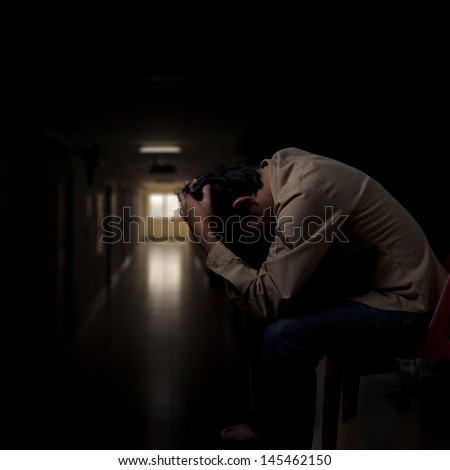
Some of the anxiety disorders go away without treatment. For example, an anxiety disorder may develop during a very stressful set of circumstances (loss of a job, job search, divorce, custody battle, cancer diagnosis). When the stressors are more accepted and better managed, or even resolved, the anxiety may decline. Of the diagnosed anxiety disorders, specific childhood phobias are the most likely to diminish naturally. For example, if your child is fearful of insects, storms, or the dark, keep in mind that it is common for this type of problem to subside with age. Parents benefit from understanding that children experience typical childhood fears across different age spans, but parents also need to watch for extended, extreme suffering and reduced functioning in their child. These difficulties may signal the need for professional treatment.

Some people just continue to live with anxiety until they feel like they can't cope on their own anymore and finally talk to their doctor. Other individuals let the nervousness wear them down, ultimately giving up and resigning themselves to their suffering. Research suggests that anxiety disorders can lead to depressive disorders if left untreated. Clinical depression is a particularly debilitating medical disease that requires aggressive treatment. Although you may avoid treatment due to the constraints of time and money, it is important to remember that successful treatment is available. Usually, the earlier you seek effective treatment, the better the results for your mental well-being and quality of life. Upon finding relief through meeting with trained mental health professionals, people frequently remark “I wish I would have gone in for help sooner.”
Source: The Anxiety Answer Book by: Laurie A. Helgoe, PhD, Laura R. Wilhelm, PhD, Martin J. Kommor, MD